Reimagining the In-Vehicle Experience for an Autonomous Future

Discipline

UX Research, Augmented Reality Design

Skills

Figma, Photoshop

Timeline

4 months

Mentor

Jiayu Liu
UX @ General Motors

Team

Joyce Kwon
Ethan Chen
Mindy Tsai
Rahul Sathyanaraynan
Jump to the solution
Reimagining the in-vehicle experience
By 2035, autonomous vehicle leaders are expected to product level 5 self-driving cars. With the widespread use of revolutionary technology comes the need for an equally revolutionary user experince.

Smart Windows

01

Dynamic Widget
Personalization

02

Easy
Entertainment

03

Trust &
Transparency

The Challenge
By 2035, autonomous vehicle leaders like General Motors are expected to produce level 5 self-driving cars. With the widespread use of such revolutionary technology comes the need for an equally revolutionary user experience.
Problem Statement
How Might We...reimagine the shared autonomous vehicle experience for shared vehicle users in 2035, to enhance safety, human connection, and personalized experiences?
Core Audience
Defining our core user group helped us refine our scope and expand our principal design considerations.

Urban Families

Households living in densely populated city environments, characterized by a mix of working adults, school-age children, or multi-generational living arrangements.

We focus on traditional and non-traditional family structures, recognizing that family may mean relatives, friends, roommates, etc, with  varying schedules and preferences.

With shared vehicle use, users may use the vehicle for a variety of priorities such as work, social outings, entertainment, etc.

Autonomous vehicle infrastructure is most developed in denseley populated city environments, which present unique user values and daily challenges.

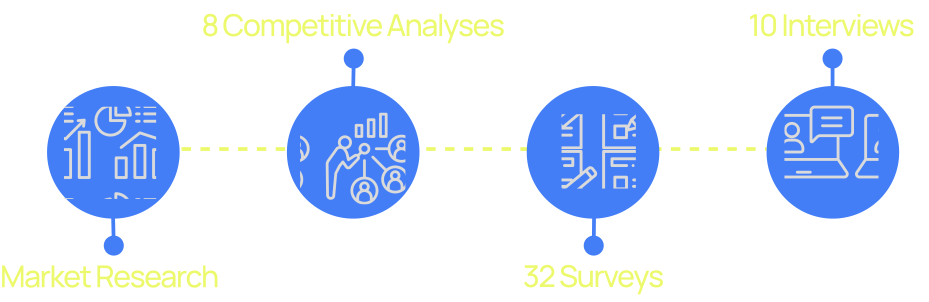
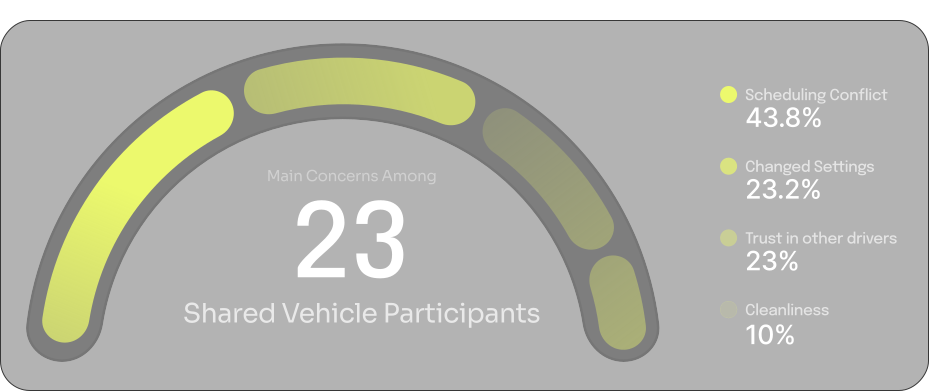
We identified user attitudes, concerns, and readiness for fully autonomous vehicles in an effort to understand market trends and consumer expectations for in-car experiences.

Research allows us to pinpoint opportunities for new interactions or services that address comfort, productivity, entertainment; as well as learn about current technologies, partnerships, and business models.
Values
What do people value most about shared & AV experiences?
Motivations
Why do people want shared AV experiences?
Barriers
What are current pain points in the shared & AV experience?
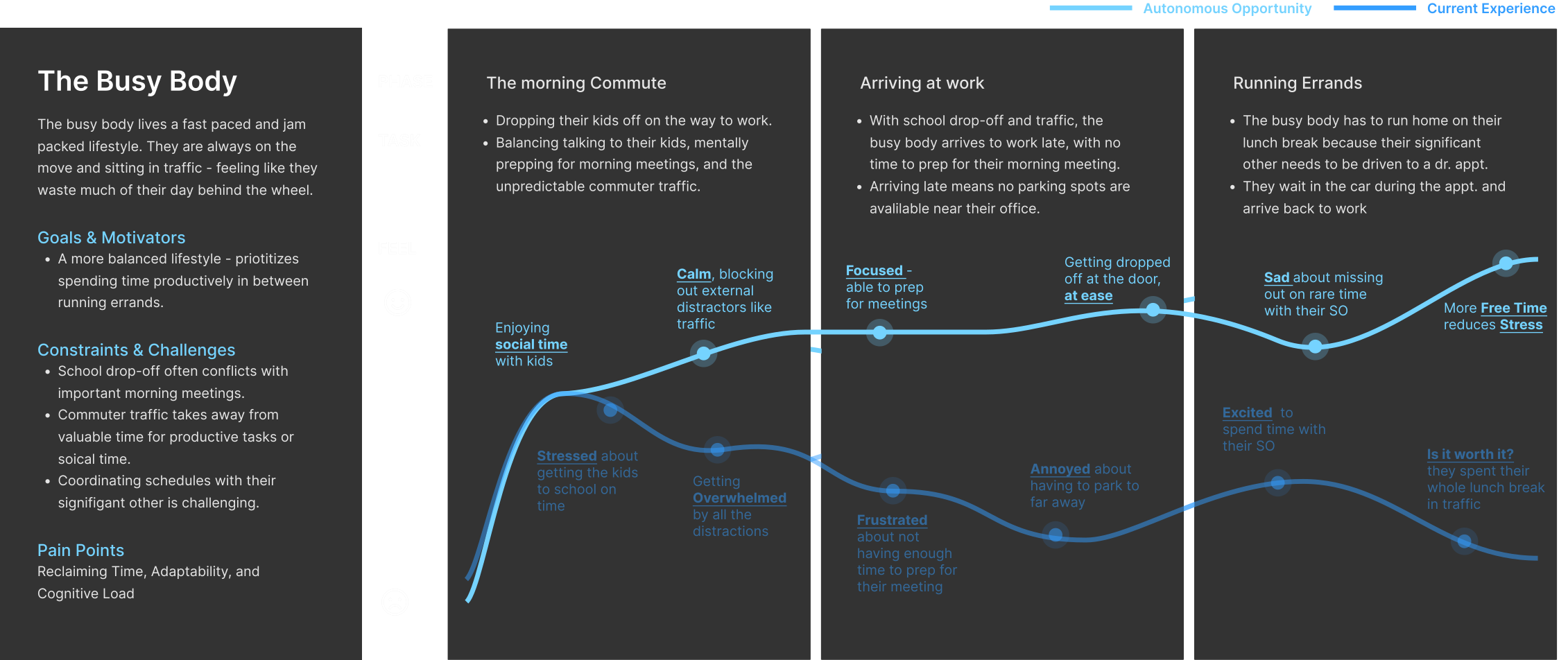
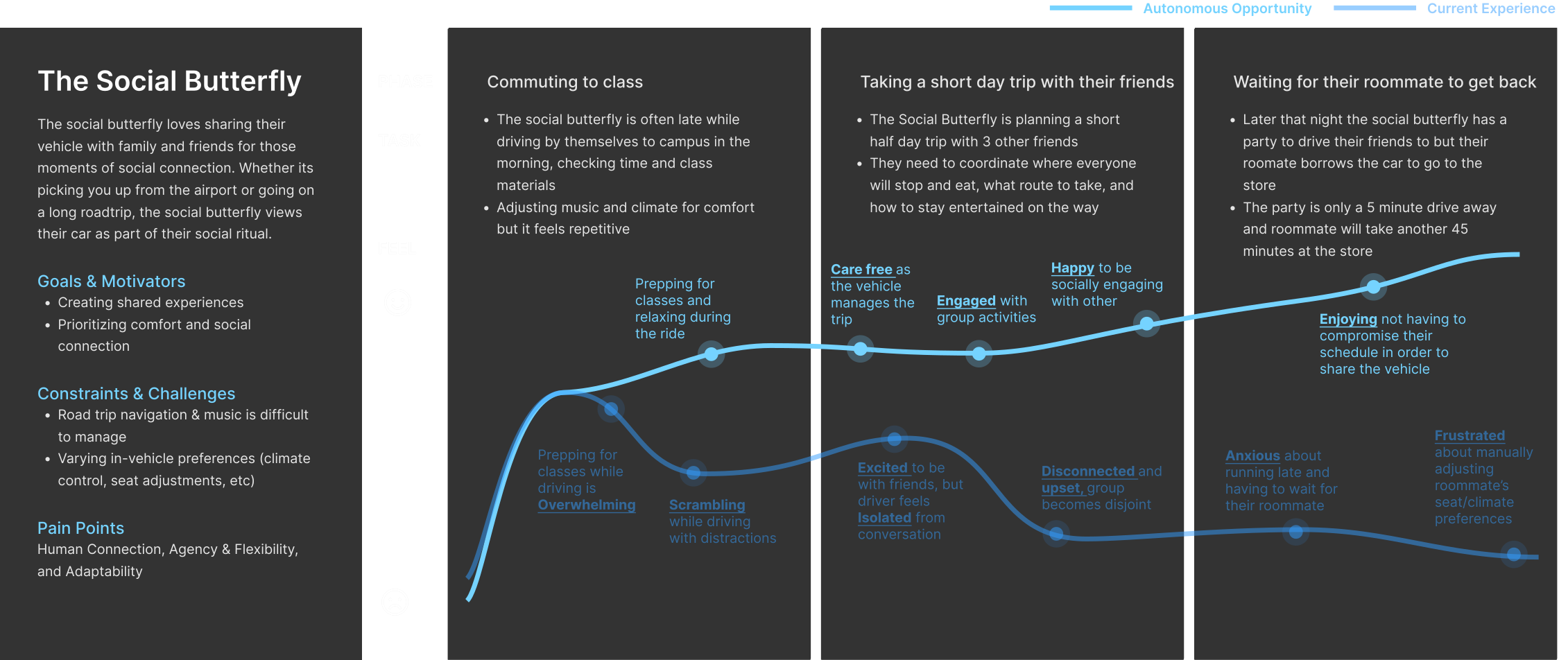
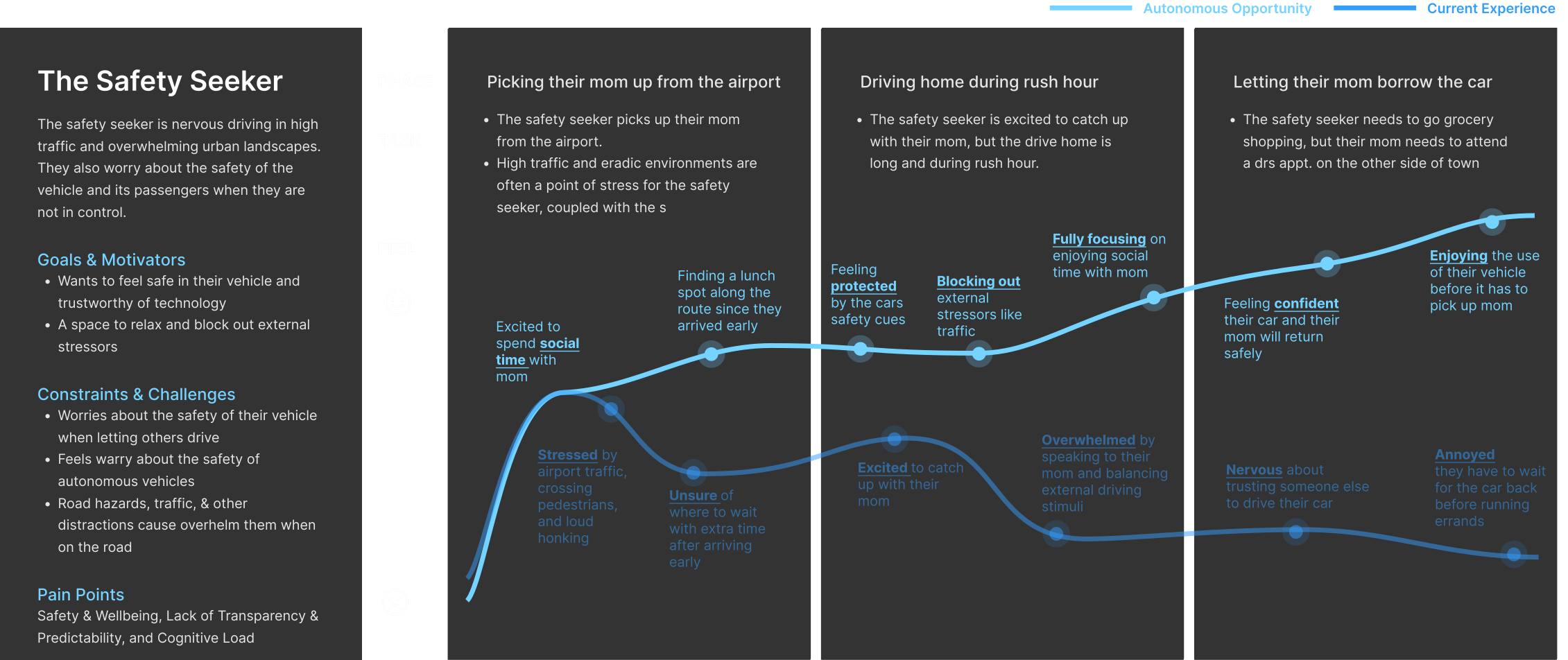
We designed three journey maps to model mixed vehicle use, revealing how emotional and cognitive needs shift across experiences and where autonomous driving adds the most value.
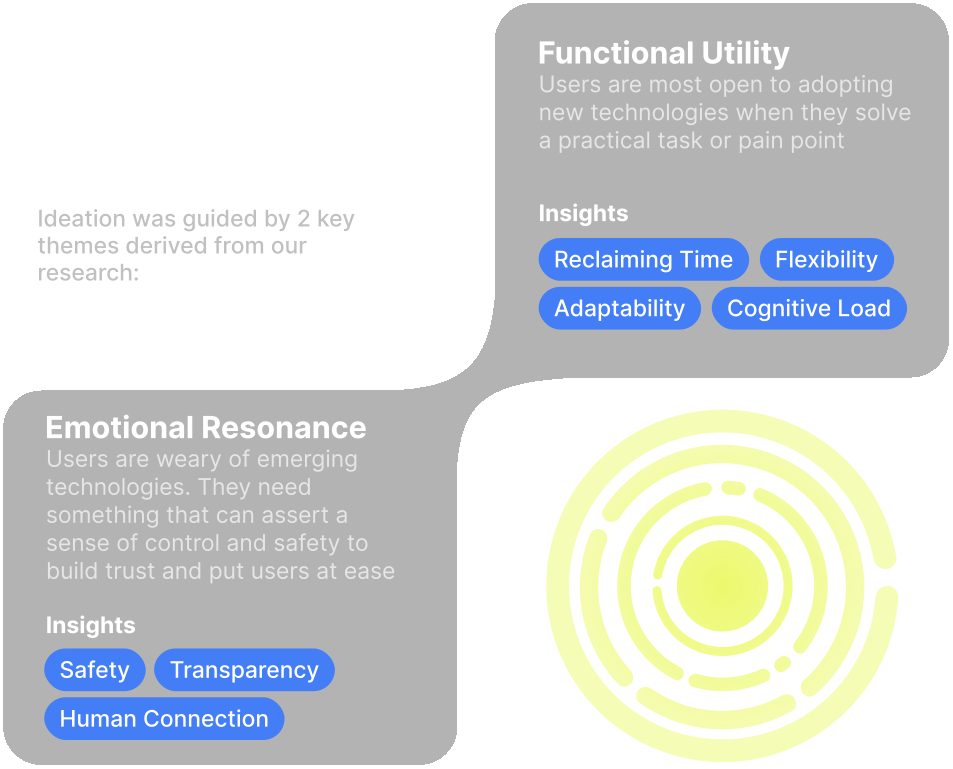
Building on key insights from our synthesis, we decided to develop solutions focused on digital interface design while integrating elements of spatial experience, haptics, and voice control.
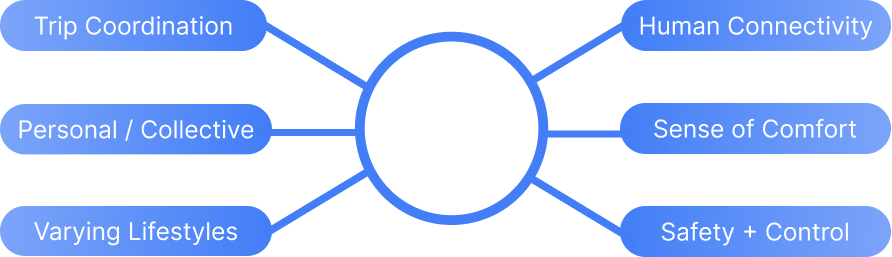
Our ideation covered three distinct categories
Shared Passenger UX Features
AR overlays, real-time trip planning, and transparent decision displays that ensure sense of safety and enhance trip coordination.
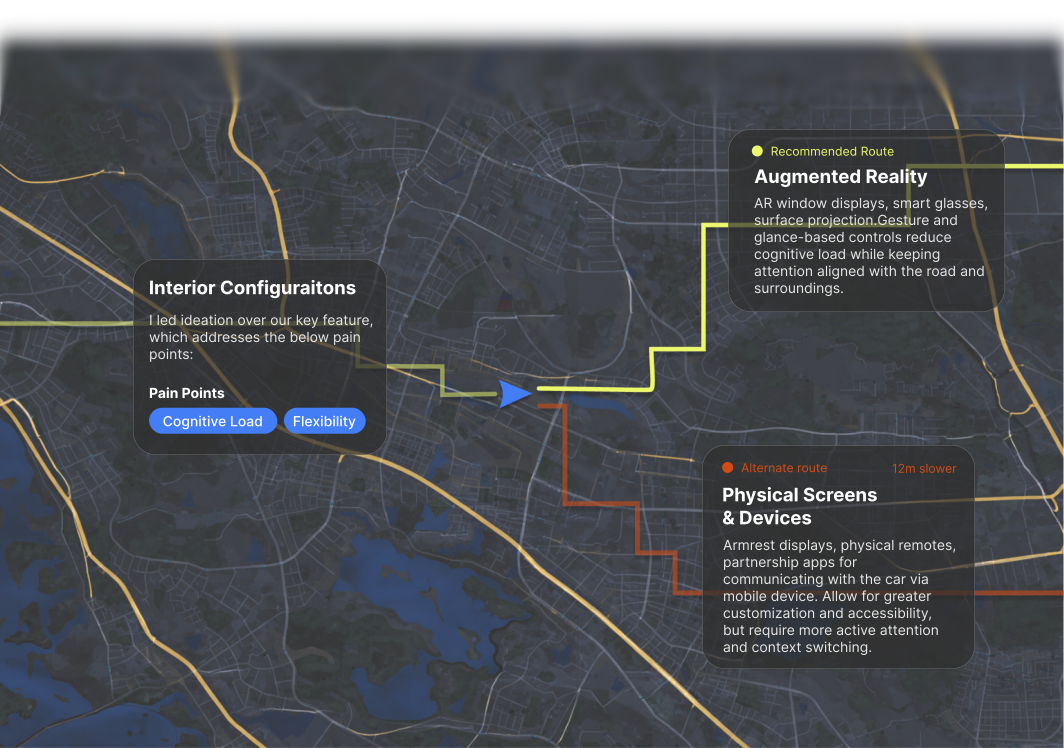
Interior Configurations
Adaptive environments that adjust lighting, seating, and activity zones based on individual preferences (e.g. sleeping, socializing, etc.).
Personalized Profiles
Individual Logins on HUD or Infotainment screens thatcustomize seats, ambiance, entertainment, and more to allow personalized comfort & well-being.
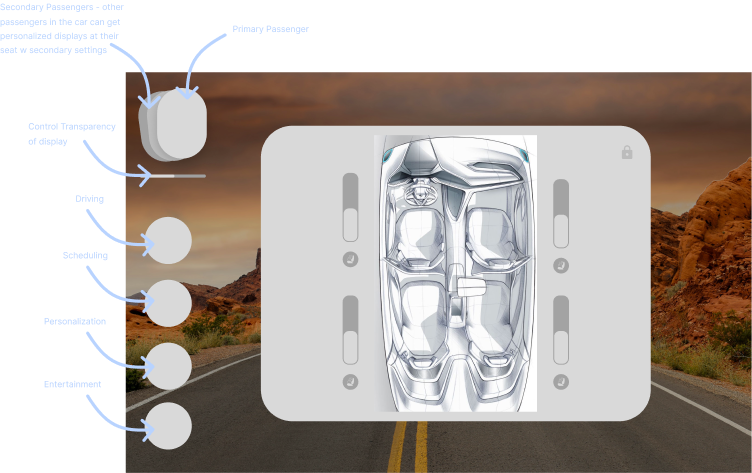
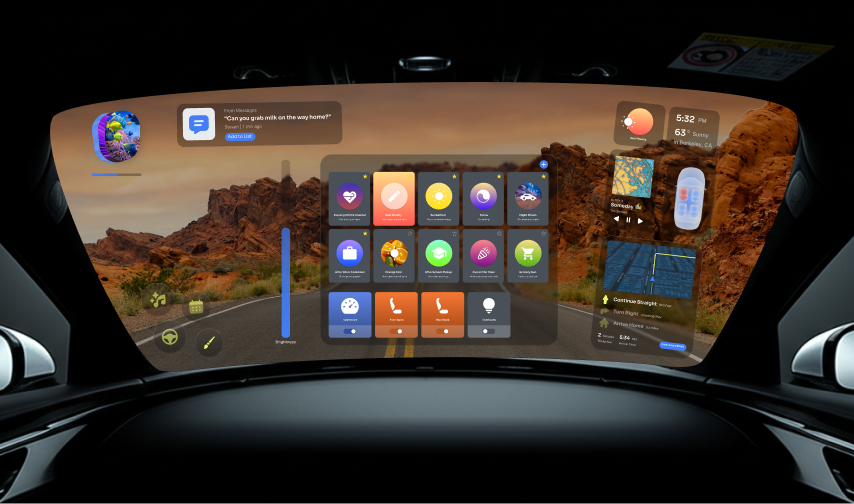
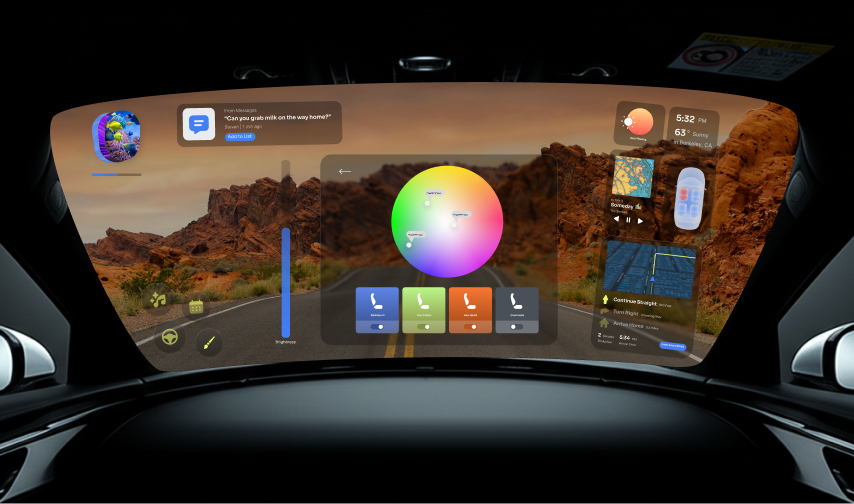
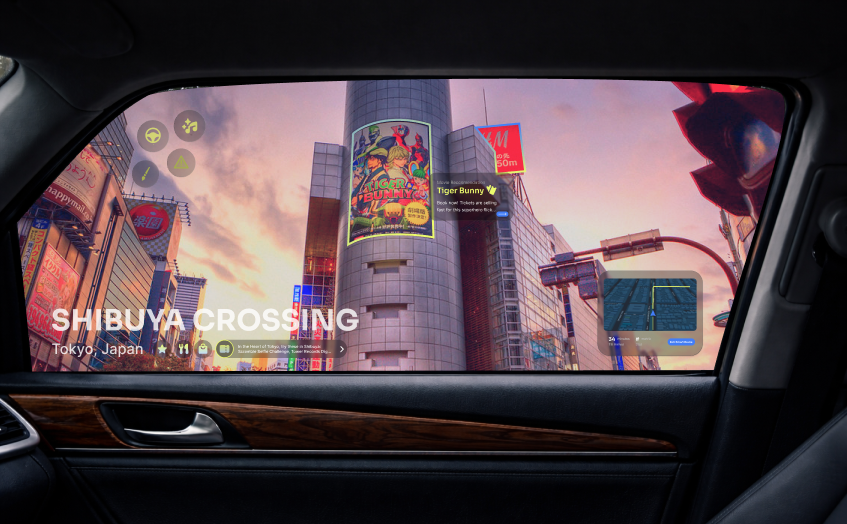
A personalized window display for every passenger
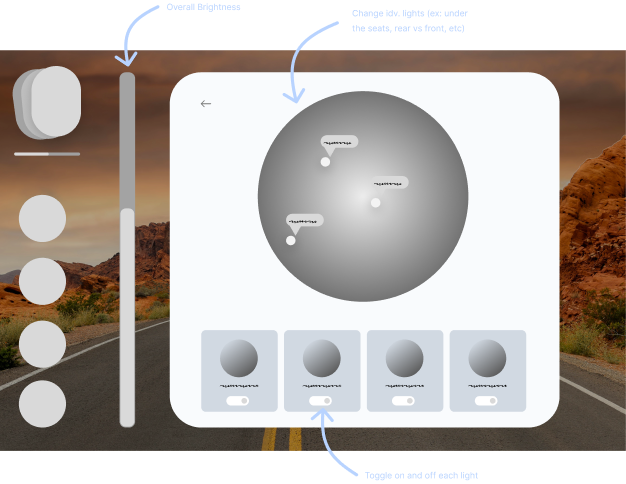
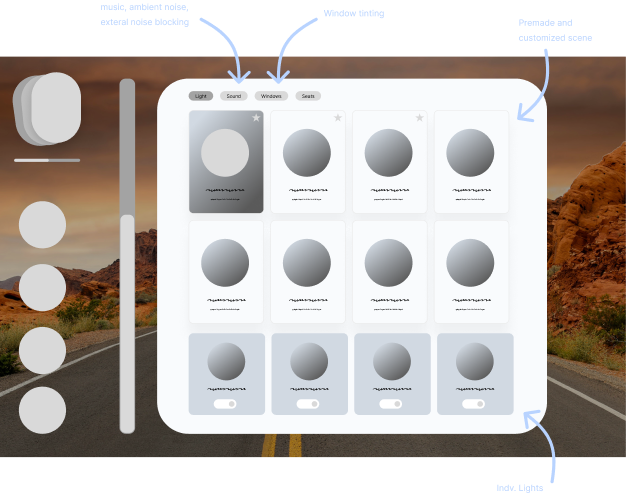
I focused on wireframes for navigation, personal profiles, and saved scenes
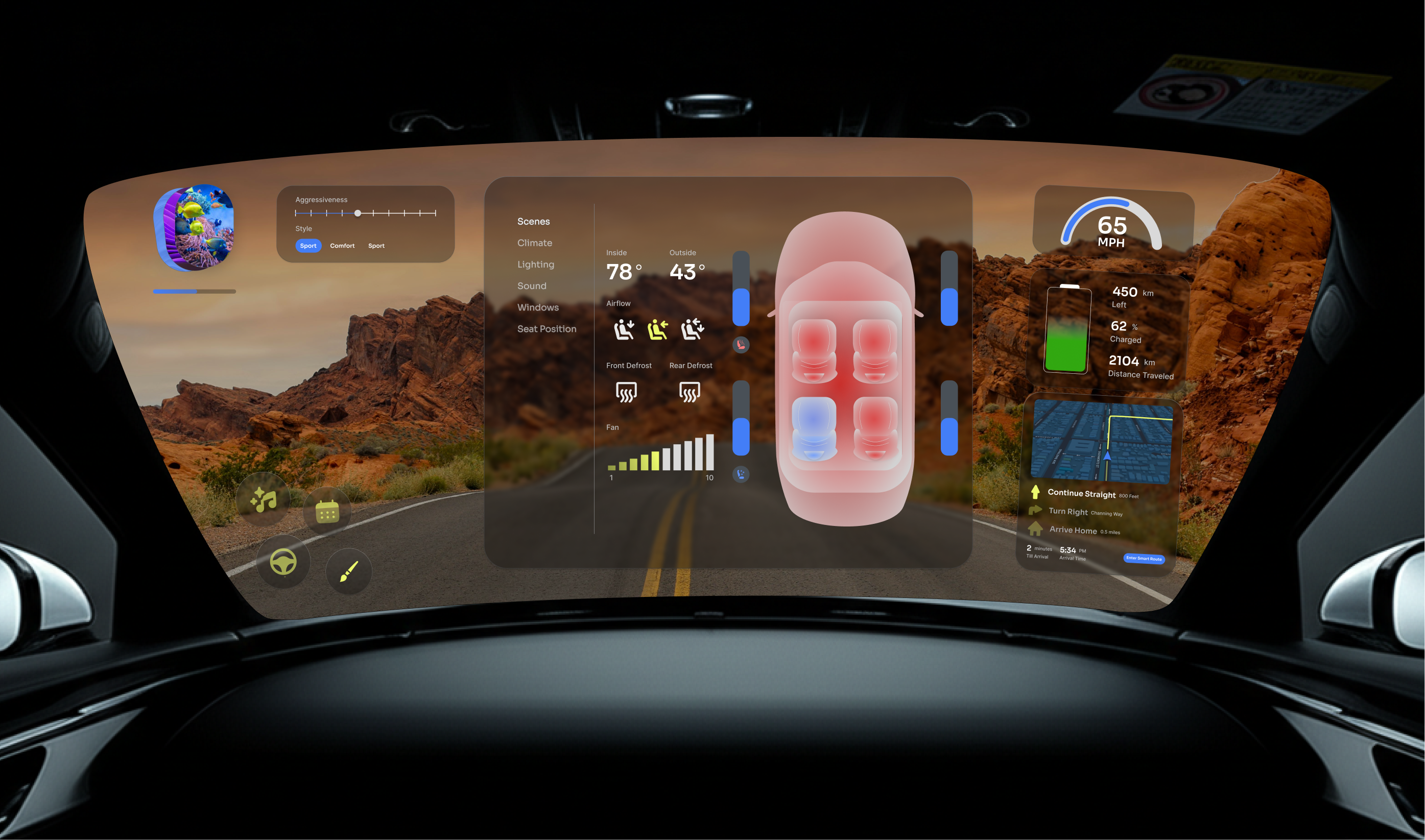
Personalized rides with saved scenes

Customize Lighting, Climate, Sound, Window Tinting, and Seat Position

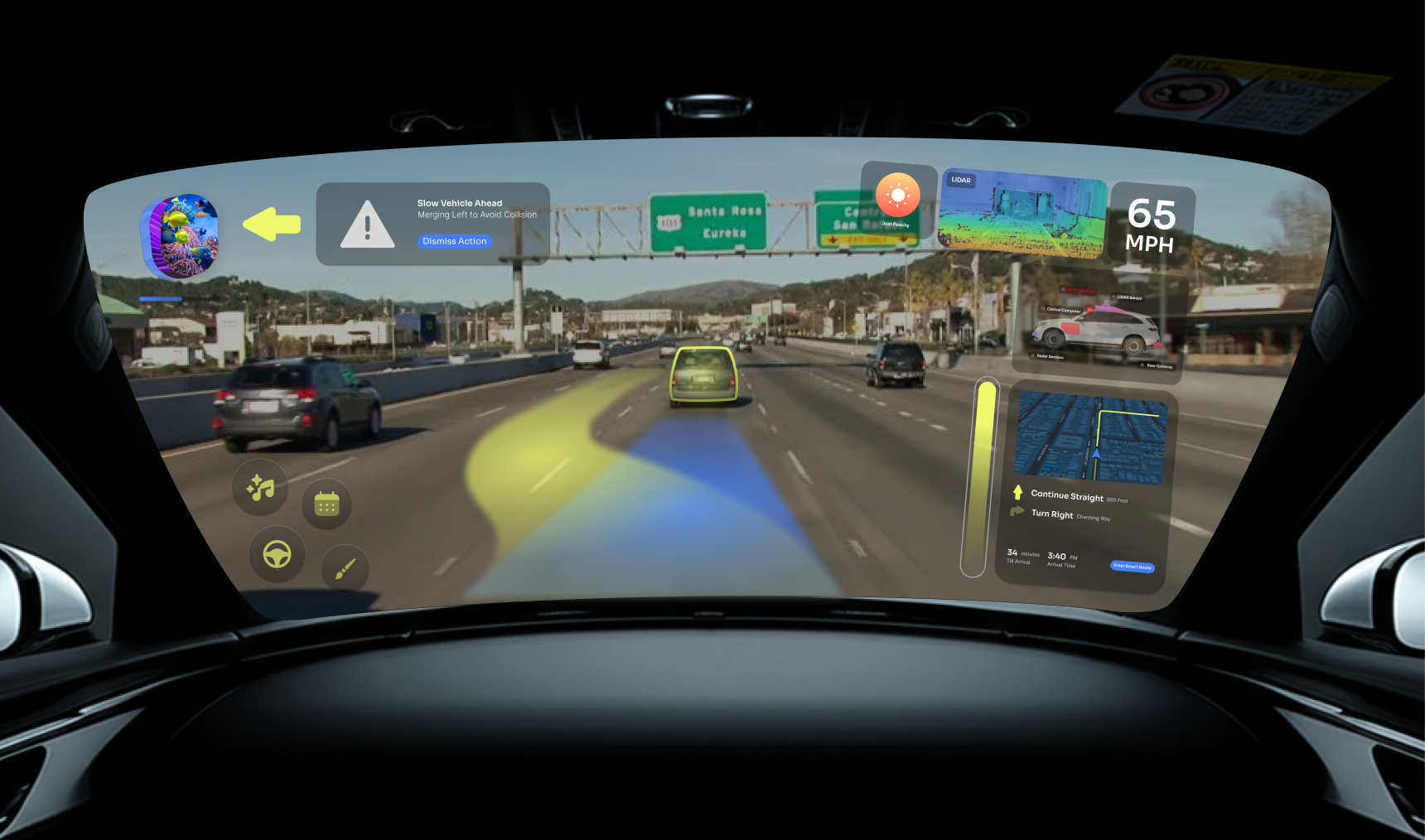
Smarter Routes for a Smoother Journey

Explore cities effortlessly with personalized results at the swipe of a finger

Seamless In-Car Entertainment

Watching and listening together is easy with intuitive customization and personalization

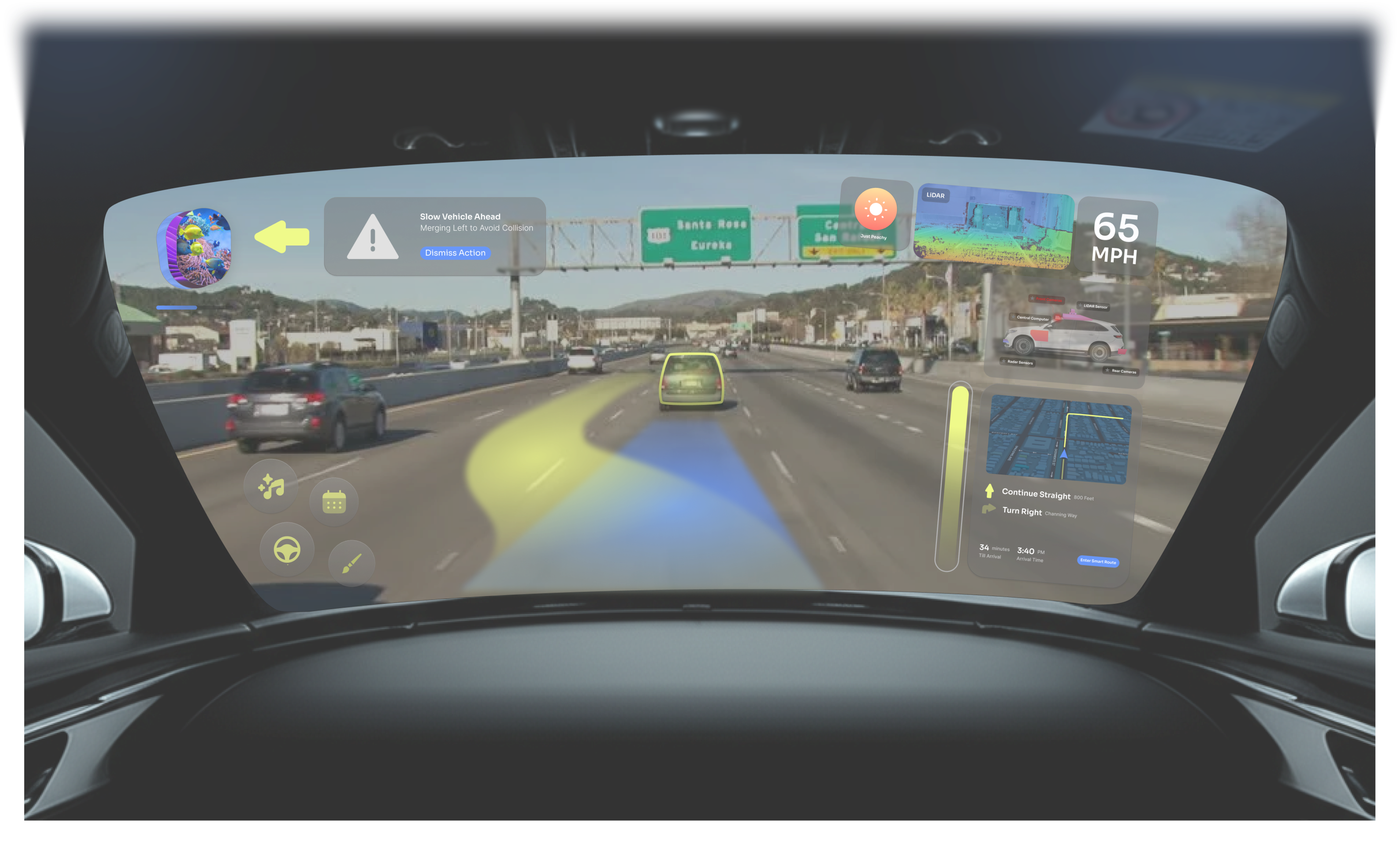
Guaranteed Safety & Transparency

A smart overlay detailing the car’s choices throughout the ride, for full transparency

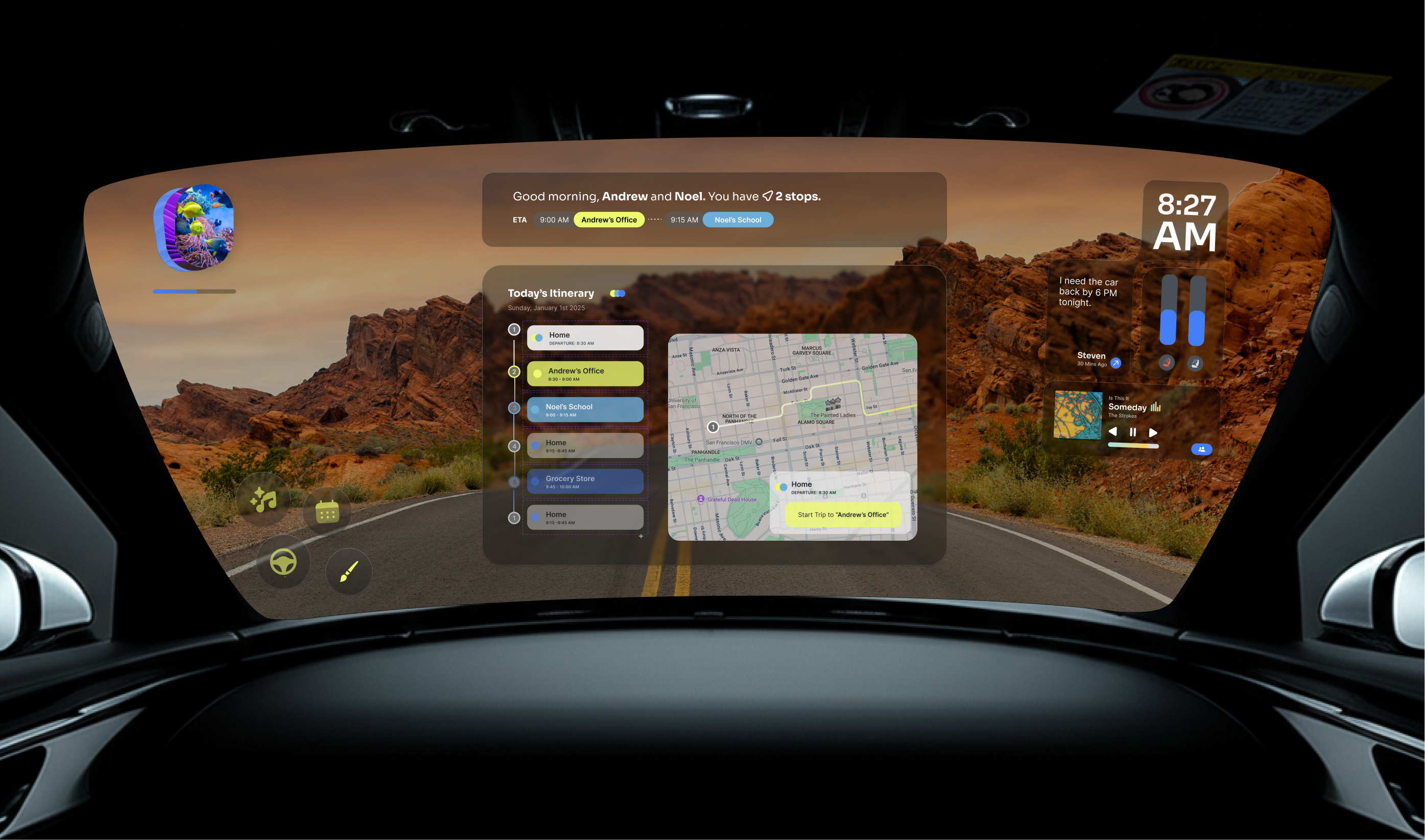
Scheduling Made Easy

Easily view the car’s itinerary, seamlessly generated from your synced family calendars

Building future technologies, today

This exploratory project focused on grounding speculative autonomous technology in daily behaviors and constraints.

01

Designing for Multiple Audiences

Mapping mixed vehicle use revealed that autonomous systems must serve multiple users simultaneously, adapting experiences to different roles, needs, and levels of control within a shared journey.

02

Exploration Over Destination

Rather than designing a single “final” solution, this project emphasized exploration of emerging technology—using journey maps and speculative concepts to surface questions, tensions, and opportunity areas.

03

Thinking to the Future

This exploration opened pathways for future development, including deeper scheduling and calendar integrations, expanded app connectivity, and long-term product strategies such as subscription-based model.