Hang up and hang out with Quilly! A new social app designed to help college girls find community.
1. Get sorted into a house 2. Plan hangouts 3. Make lifelong friends
But...Quilly is experiencing a digital disconnect
Online Discussion ≠ In-Person Meetups
Online discussions are not churning to actual in person hangouts, and engagement with meetups is low. Users on the beta app failed to suggest events with regularity, despite the lively use of discussion features.
Improving social engagement and task time with house pets - an AI powered profile for transparency and trust.
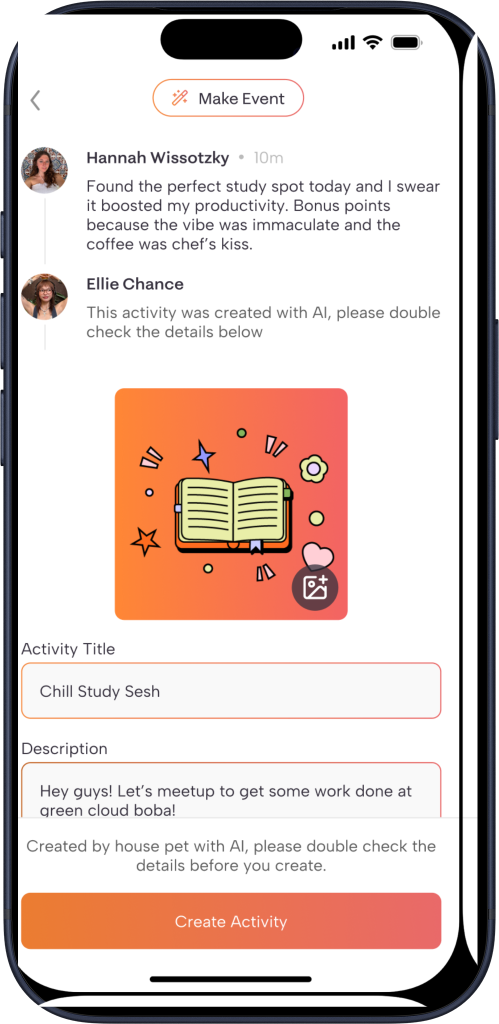
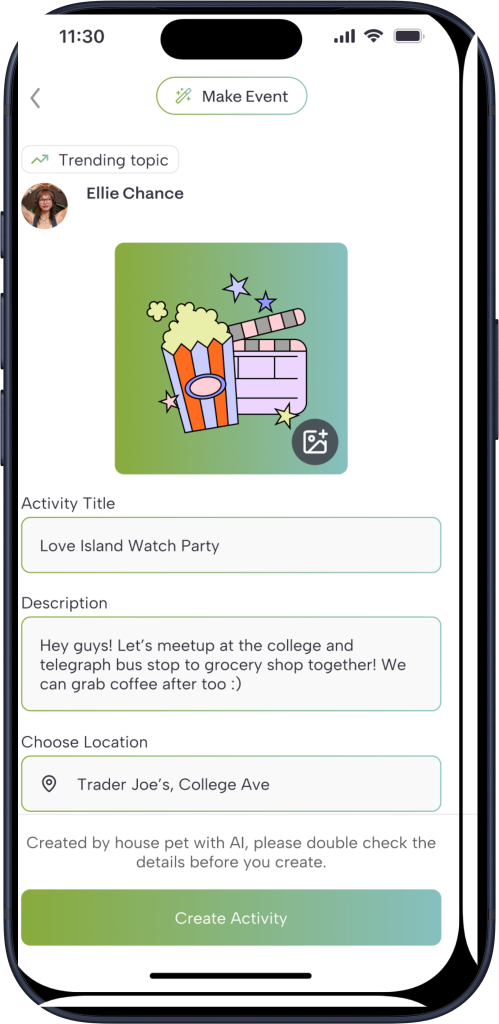
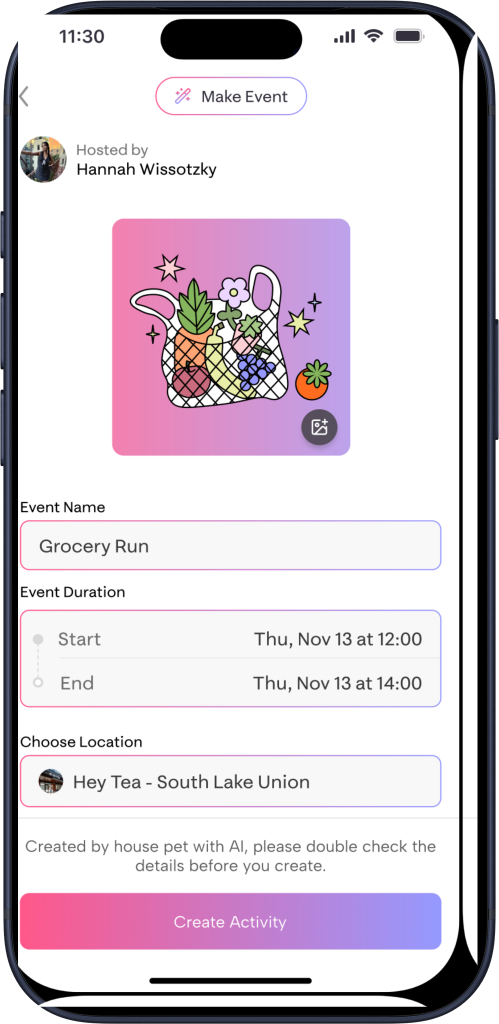
AI event creation, discussion prompting, and community updates for engagement on and off the platform.
How do we balance transparency and trust when introducing AI into social platforms?
Current flows prompt users to chat online, before making plans to meetup in person
Research suggests that initiating in-person connection is emotionally risky...
Interviews revealed that college women strongly desire community, but hesitate to initiate plans themselves. The fear of low turnout, social rejection, or seeming “too eager” keeps connection passive and digital rather than real-world.
Common Pain Points
Fear of Rejection
64% of college students report avoiding social situations due to fear of awkwardness or rejection.Users worry about no one showing up, being judged for the event idea, or misreading social interest.
Planning Friction
Coordinating time, location, theme, and messaging requires cognitive effort. When planning feels complicated or uncertain, students default to staying online instead of taking initiative.
Lack of Trust
Students are cautious about who they meet and how events are organized. They want visibility into who’s attending, shared connections, and clear expectations. Without social proof or transparency, in-person engagement feels risky.
While college women are highly active on social platforms, I found that in-person connection presents unique barriers...
Compared to passive social interaction (likes, comments, DMs), forming real-world community carried higher emotional and social stakes. Users expressed stronger intent to connect, but also greater hesitation due to planning effort, fear of low turnout, and uncertainty around how to initiate events.
60%
of college students reported feeling lonely or socially disconnected despite frequent social media use.
3×
Students are more likely to attend an event when planning and coordination effort is reduced.
Data from American College Health Association, Pew Research Center
What's not working?
In addition to adding the AI event creation feature we also improved beta testing iterations of the entire app
Confusing Meetup Creation
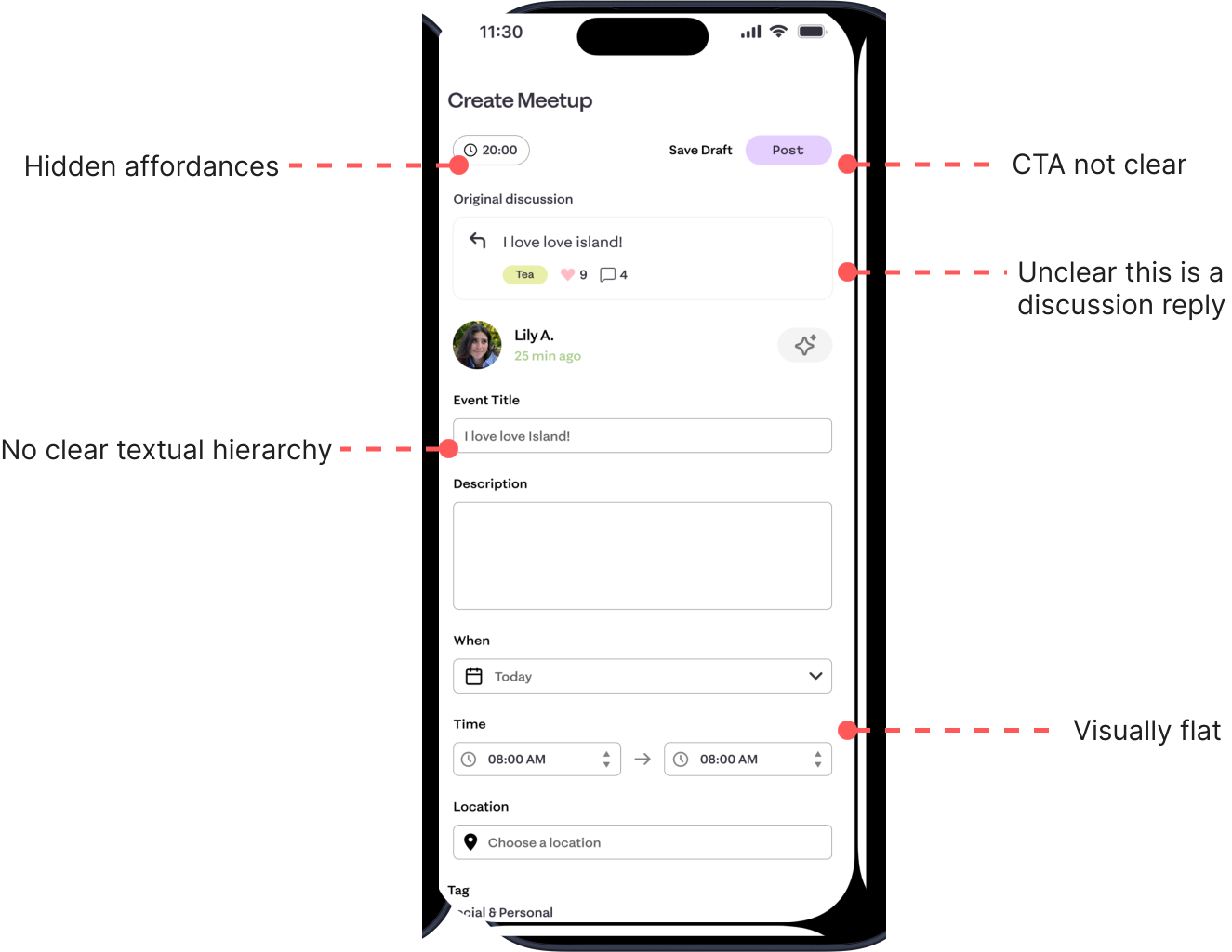
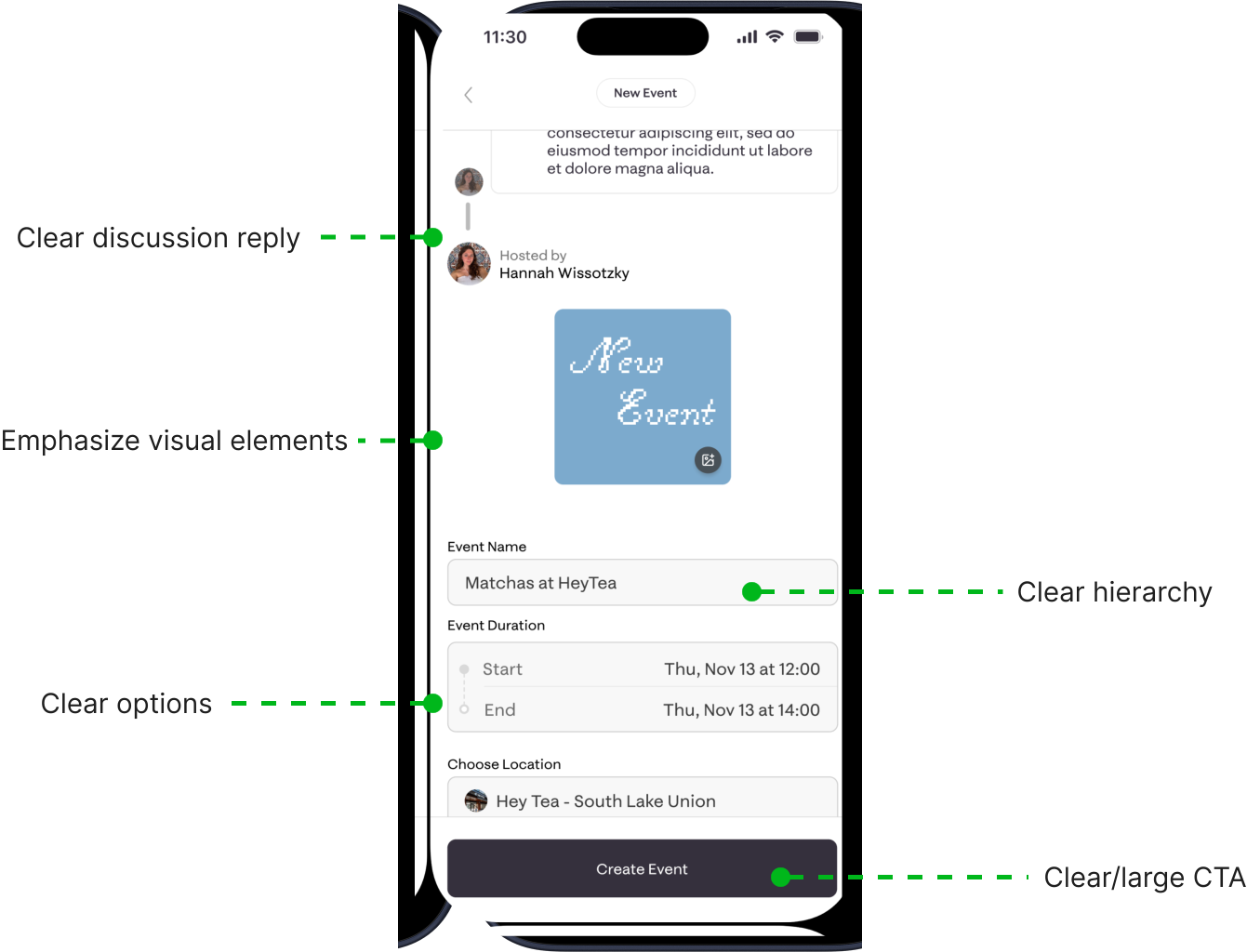
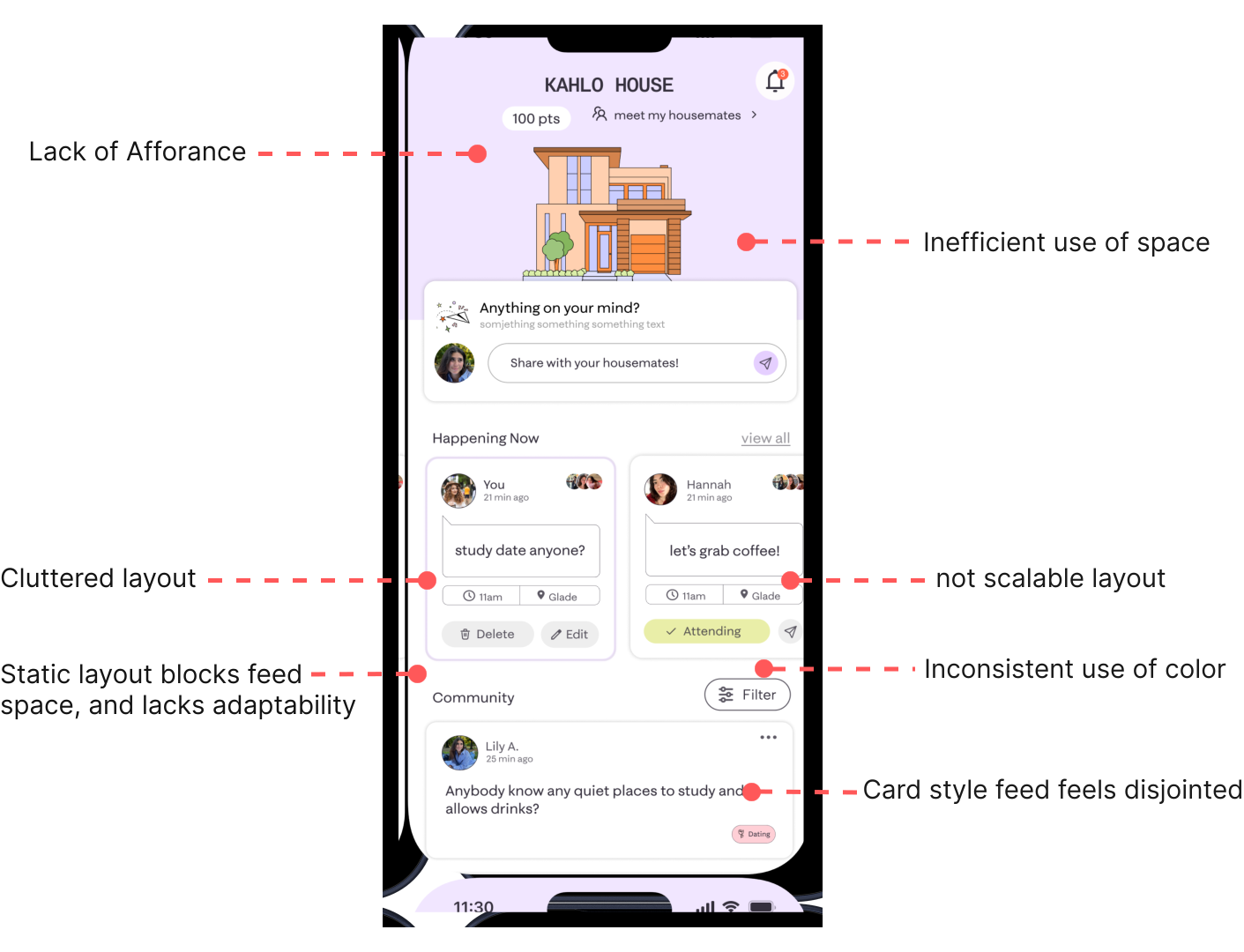
Most meetups are born from trending discussions. However discussion replies were not organized and the meetup creation process felt confusing and visually flat.
Lack of Organization for Discussion Posts
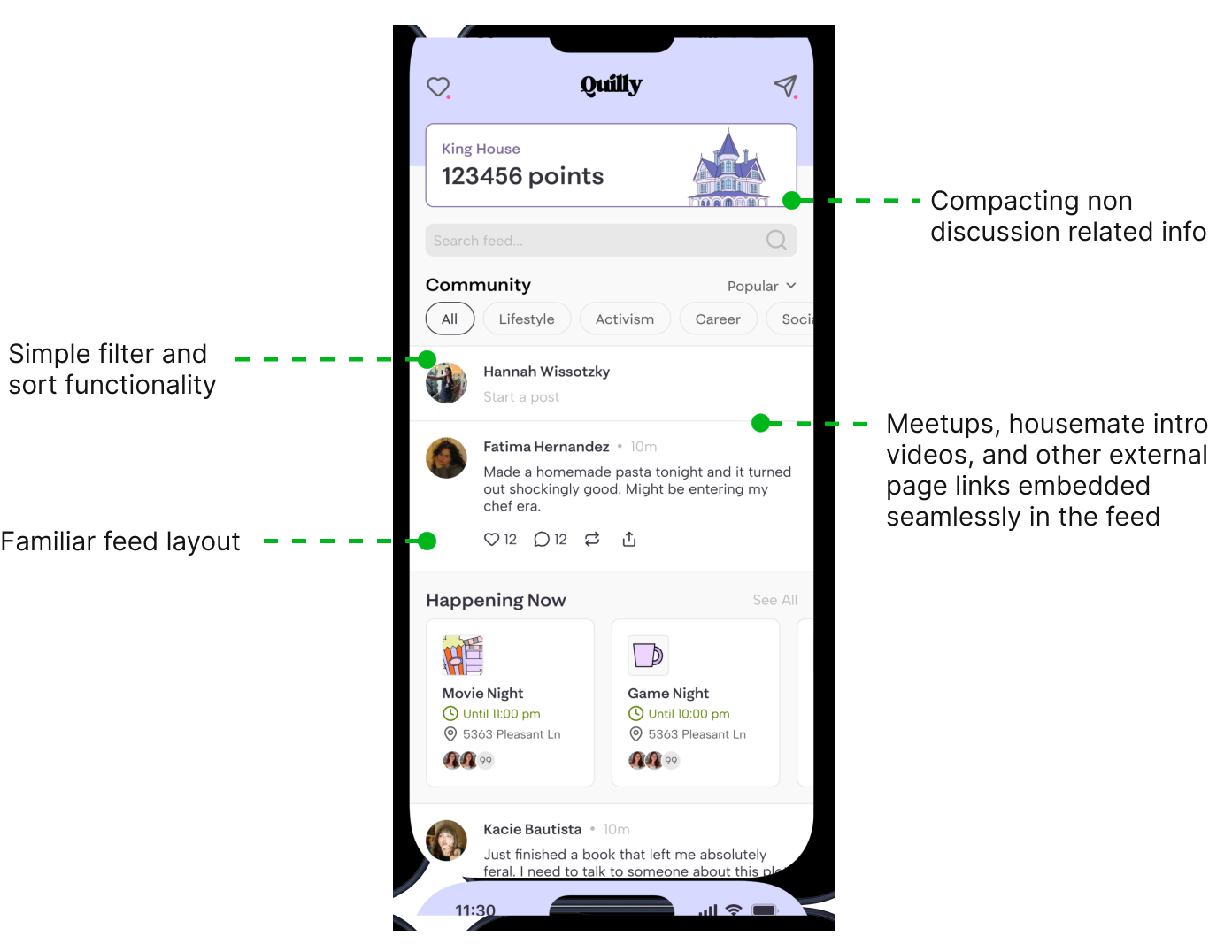
The discussion layout felt outdated to existing social media apps. The feed appeared cluttered, lacked proper sorting, and was not scalable as the app grows in users.
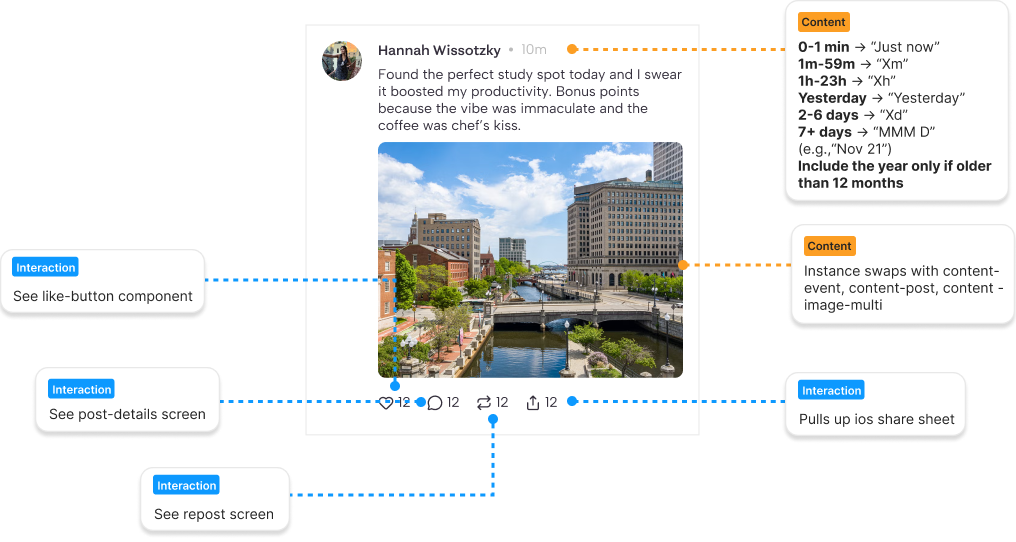
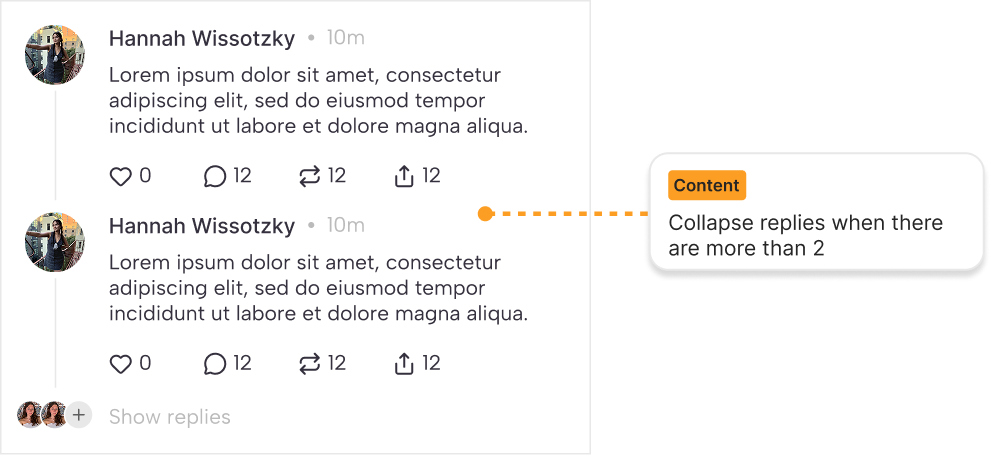
Defining Interactions for dev and communicating across teams
Defining rules and interactions for the feed page allows scalability as the platforms grows, allowing us to handle a greater number of users and discussion posts.
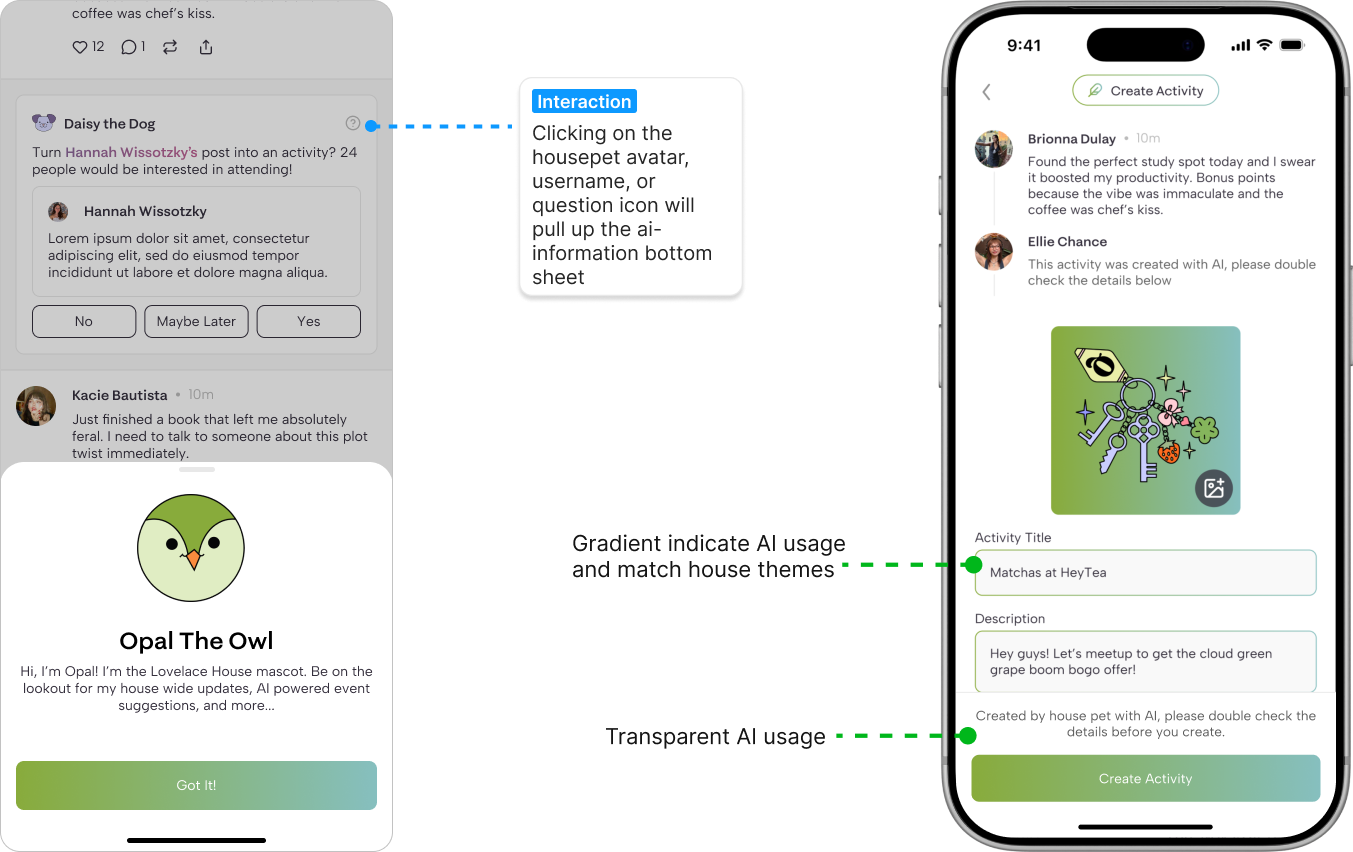
Introducing house pets - an AI powered profile for transparency and trust.
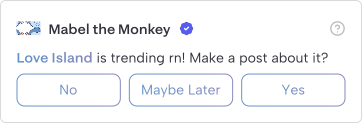
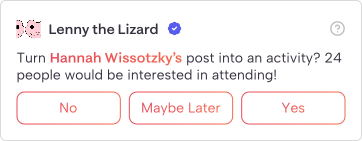
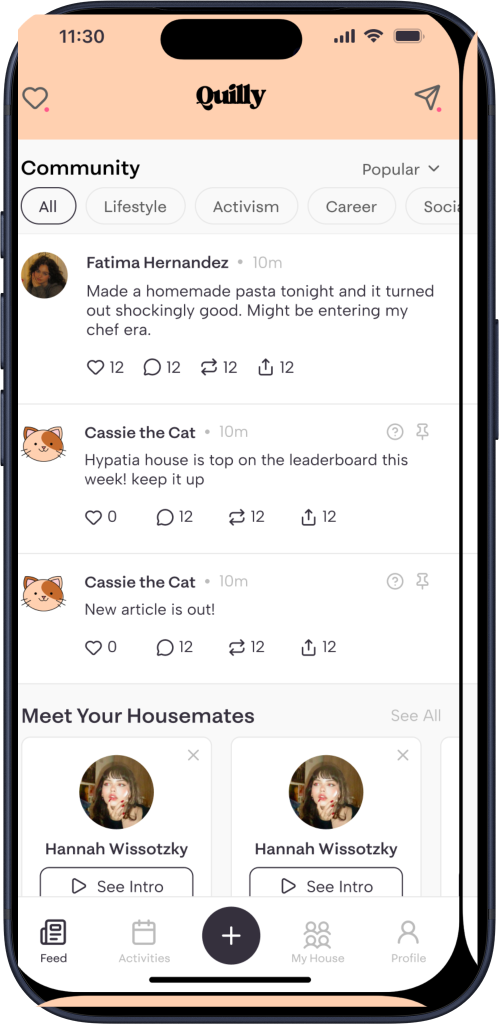
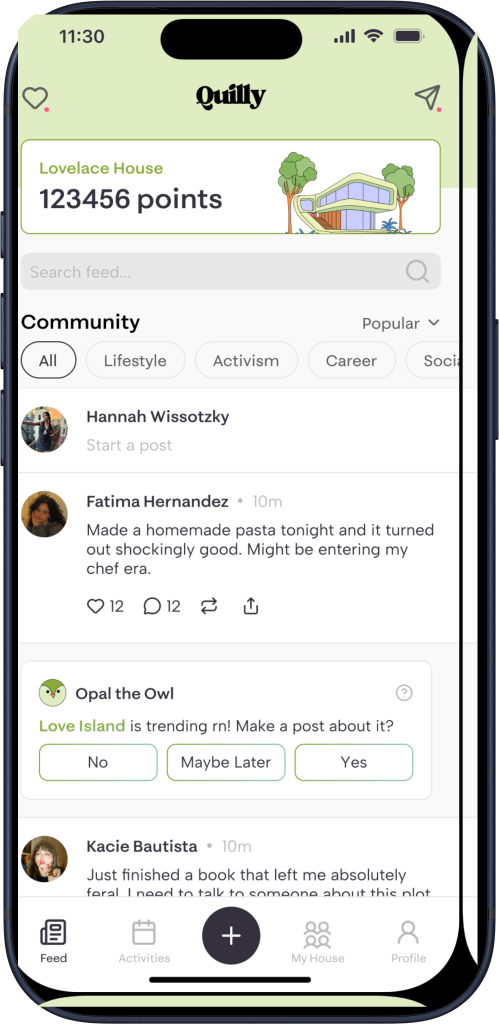
AI suggestions seamlessly baked directly into your feed!
Key Feature 1
Keeping you up to date on Quilly Affairs
Never miss a beat with house wide updates.
Increasing traffic to the Quilly website & side projects.
Prompting engagement with house points system.
Key Feature 2
Analyzing trends and prompting meetups
Never worry about rejection, know who's interested before you even ask
Decreasing cognitive load and simplifying flows for event creation.
Easing fears of rejection.
Keeping the app at the forefront of the market by utilizing algorithm and trend data.
Key Feature 3
Maintaining trust and transparency across the platforms
Small description of feature here
AI transparency keeps users comfortable using the app in a casual and personal manner.
Interior Configurations
Personalized Profiles
We launched the AI feature among a beta testing group of UC Berkeley users
43%
Reduction in time to task completion.
64%
Increase in discussion engagement through likes, reposts, and replies.